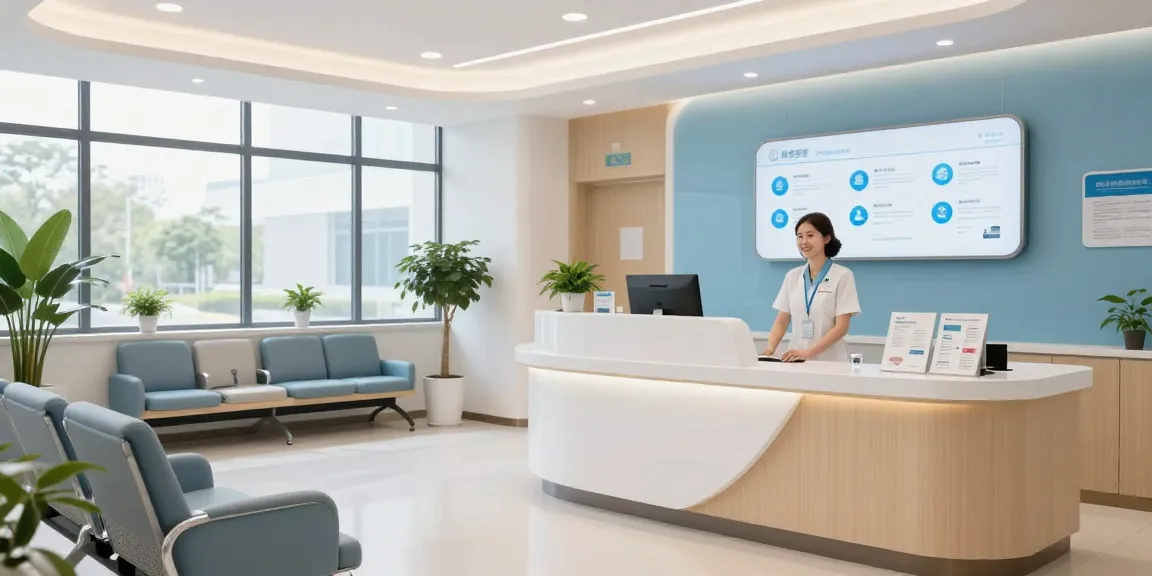
Understanding Healthcare Services and Patient Needs
In today’s evolving healthcare landscape, understanding the diverse needs of patients is paramount. With the rise of patient-centered care models, the focus has shifted towards delivering tailored healthcare services that prioritize individual preferences, values, and needs. This shift not only enhances patient satisfaction but also leads to better health outcomes. For those exploring healthcare options, open88.pw offers comprehensive insights that can guide patients in making informed decisions about their health.
Current Trends in Healthcare Accessibility
Healthcare accessibility has become a focal point in the discourse surrounding health equity. The importance of ensuring that everyone has equal access to healthcare services cannot be overstated. Recent trends indicate a significant emphasis on telemedicine, which breaks down geographic barriers, allowing healthcare providers to reach patients in remote areas. Programs aimed at providing financial assistance and education also contribute to improved accessibility. By focusing on inclusivity, healthcare systems can better serve diverse populations.
Patient-Centered Care Models
Patient-centered care models prioritize the needs and preferences of patients above all. This approach encourages active patient participation in their healthcare decisions, leading to enhanced satisfaction and adherence to treatment plans. Communication is at the heart of patient-centered care, where healthcare professionals strive to understand patients’ concerns and expectations. As patients become more informed about their healthcare options, the need for transparency and collaborative decision-making remains critical to fostering trust and partnership in the care process.
Main Services Offered by open88 Healthcare Providers
Providers associated with open88 offer a variety of healthcare services, ranging from primary care to specialist services. These services include regular health screenings, vaccinations, chronic disease management, and mental health support. Integrating technology in service delivery has enhanced patient engagement and streamlined care processes. The primary focus is on comprehensive care that addresses both physical and mental health needs, ensuring that patients receive holistic treatment for improved overall well-being.
Innovative Approaches to Preventive Health
Preventive health is increasingly recognized as a critical component of healthcare that can reduce disease incidence and healthcare costs. By adopting innovative strategies, healthcare providers can enhance prevention methods and promote healthier lifestyles among patients.
Importance of Preventive Screenings in 2026
Preventive screenings are vital for early identification of diseases, which is crucial for successful treatment outcomes. In 2026, guidelines emphasize the importance of regular screenings for conditions like hypertension, diabetes, and cancer. Patients are encouraged to discuss their individual risk factors with their healthcare providers to create a personalized screening schedule. These proactive measures allow for timely interventions that can significantly change the course of a patient’s health journey.
Implementing Evidence-Based Strategies
Evidence-based strategies play an essential role in preventive health. These approaches rely on the latest research and clinical guidelines to inform best practices in patient care. Healthcare professionals are encouraged to stay updated on current health studies and integrate their findings into standard practices. This not only enhances treatment efficacy but also fosters a culture of continuous improvement in healthcare delivery.
Role of Technology in Preventive Healthcare
Technology has revolutionized preventive healthcare. Wearable devices that track health metrics and mobile health applications provide patients with tools to monitor their health continuously. These advancements empower individuals to take charge of their health and encourage timely interactions with healthcare providers. Additionally, telehealth services allow for routine check-ins and follow-ups without the need for in-person visits, enhancing adherence to preventive care guidelines.
Mental Health Awareness and Support
Mental health is an integral part of overall health. Increasing awareness about mental health issues is essential for reducing stigma and encouraging individuals to seek the help they need.
Identifying Mental Health Resources
Accessing mental health resources has never been more critical. Many organizations and healthcare systems offer a wide array of resources, including counseling and support groups, that can help individuals struggling with mental health concerns. It is important for patients to identify local and online resources that provide education, support, and treatment options tailored to their needs.
Treatment Options for Anxiety and Depression
Both anxiety and depression can significantly impact daily functioning. Effective treatment options include psychotherapy, medication, and lifestyle modifications. Evidence-based treatments such as Cognitive Behavioral Therapy (CBT) have proven effective for many individuals. Consultation with a mental health professional is essential in developing a personalized treatment plan. Patients should feel empowered to communicate openly with their providers about their symptoms and treatment experiences.
Integrating Mental Health into Overall Care
Integrating mental health care into overall patient management is vital. A holistic approach that considers both physical and mental health can lead to better health outcomes. Healthcare teams should adopt practices that encourage open discussions about mental health, helping to identify issues early and promote comprehensive care solutions.
Advancements in Telemedicine and Digital Health
Telemedicine and digital health innovations have transformed the way patients interact with healthcare services. These advances offer numerous benefits, particularly in improving access to care and enhancing patient experiences.
Benefits of Telehealth for Patient Care
Telehealth services provide numerous benefits, including convenience, accessibility, and reduced travel time for patients. For chronic disease management, telemedicine allows regular monitoring and follow-ups without requiring patients to visit healthcare facilities. This approach not only improves patient satisfaction but also facilitates better adherence to treatment protocols by reducing barriers to care.
Emerging Technologies in Healthcare
Emerging technologies include artificial intelligence, teletherapy applications, and health monitoring systems that enhance patient care. These innovations facilitate personalized treatment plans and timely interventions. Implementing technology in healthcare improves not only diagnostics and treatment efficacy but also patient engagement and education.
Patient Resources for Navigating Telemedicine
To successfully navigate telemedicine, patients should familiarize themselves with available resources. This includes understanding how to access telehealth services, the types of appointments available, and what to expect during a virtual visit. Educational materials and patient support services can empower patients to make the most of telehealth opportunities and improve their overall health management.
Best Practices for Chronic Disease Management
Managing chronic diseases effectively is critical for improving patients’ quality of life and reducing healthcare costs. Following best practices can enhance disease management outcomes.
Guidelines for Effective Disease Management
Chronic disease management guidelines emphasize a multi-faceted approach, including regular monitoring, patient education, and lifestyle modifications. Establishing clear communication between healthcare providers and patients is essential, as it fosters a collaborative care environment that encourages adherence to treatment plans and preventative measures.
Patient Education and Support Programs
Patient education plays a pivotal role in managing chronic diseases. Support programs can provide resources, motivation, and skills to help patients manage their conditions effectively. Educational materials that outline disease processes, treatment options, and lifestyle modifications contribute to better patient engagement and empowerment.
Collaborative Care Models in Chronic Illness
Collaborative care models form the backbone of effective chronic disease management. These models emphasize teamwork among healthcare providers, specialists, and patients to ensure a comprehensive approach to care. Engaging patients in discussions about their health and involving them in decision-making improves adherence to treatment plans and optimizes health outcomes.